MADEIN’s Comeback: A New Beginning or A Controversial Restart?
The K-pop girl group MADEIN officially announced their comeback with the release of their new single "Girl Meets Boy" on February 9, 2026. The group’s agency, 143 Entertainment, kicked off the promotional timeline on social media, teasing concept photos and music video content to stir excitement among fans.
But this comeback isn’t a simple return to the spotlight, it’s happening amidst serious controversy and upheaval that has polarized the fandom and raised real questions about the group’s future.
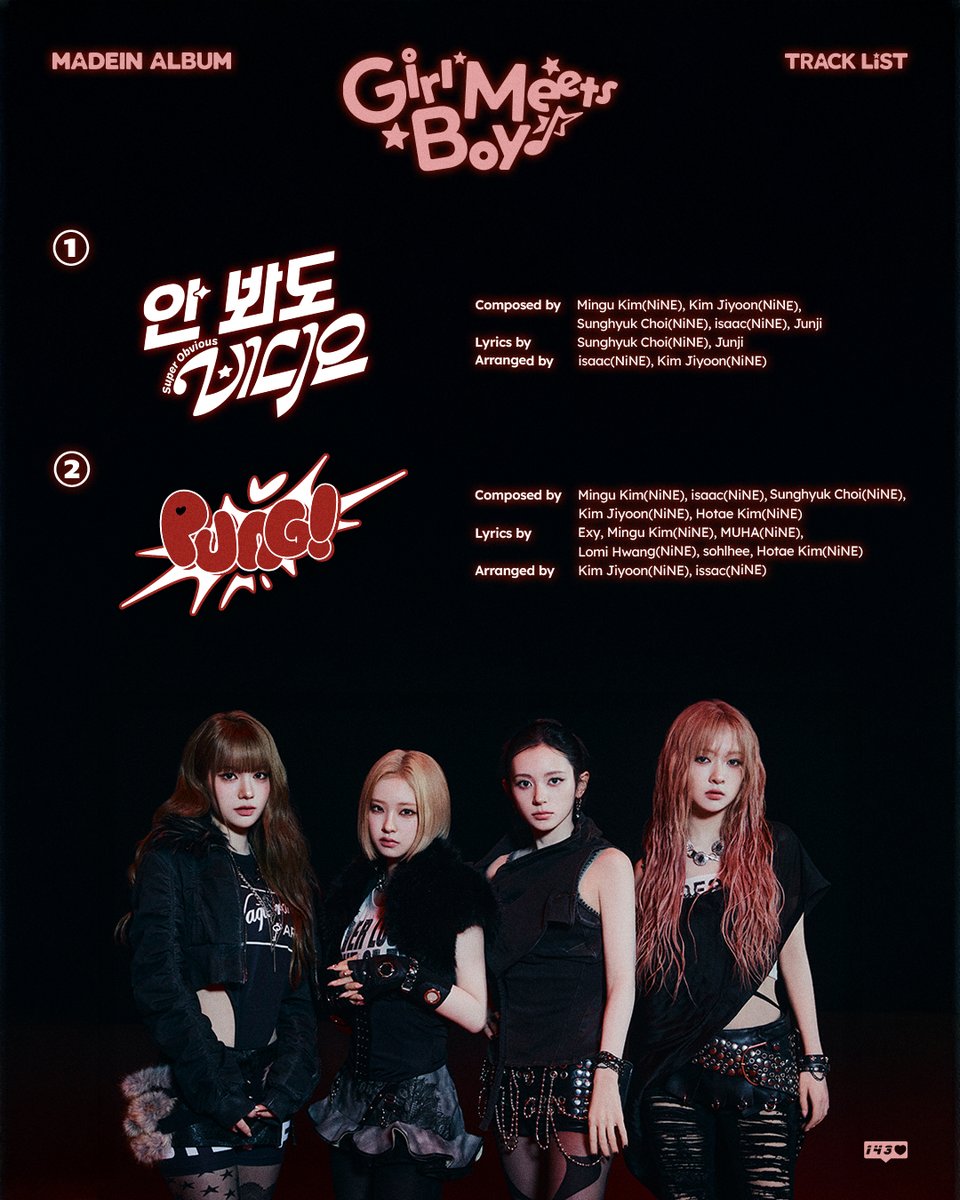
The K-pop group Madein was formed by 143 Entertainment and debuted on September 3, 2024 with a lineup of Suhye, Mashiro, MiU, Gaeun, Yeseo, Nagomi, and Serina.
With a band that combines members from established groups such as Kep1er (Mashiro and Yeseo) and survival shows like Produce 101 Japan, they quickly established themselves as a promising act.
They gained early attention for both their music and their participation in global fashion events like Tokyo Girls Collection and Paris Fashion Week, showing a sign of their broad international appeal.

What Happened to the Korean Members?
This story gets complicated and sad.
1. Gaeun’s Departure
In late 2024, Gaeun left the group. According to her agency, it was due to "personal circumstances," but it happened as allegations emerged that the CEO had sexually harassed another employee.
Gaeun later filed a criminal complaint against the agency’s CEO, a serious public development that sparked widespread scrutiny.

2. Suhye & Yeseo’s Activity Suspension
In 2025, Suhye initially went on hiatus for “personal reasons."
Around the end of December 2025, Yeseo and Suhye officially suspended their activities with the group. The agency announced the group would continue promotions temporarily as a four-member unit (with Japanese members Mashiro, MiU, Serina, and Nagomi) while waiting for investigation outcomeson the former CEO.
Several reports suggest that Suhye and Yeseo are negotiating to leave the group and agency permanently, not just on hiatus.
As a result, this upcoming comeback does not include the Korean members, which is a dramatic shift from their original multinational identity.

So… Should Fans Boycott?
Whether fans choose to support or boycott is ultimately up to the individual. What’s important to consider is:
If You’re Leaning Toward Support
- This comeback could be a fresh start for the remaining Japanese members, who seem committed to moving forward and connecting with fans.
- Some fans feel that despite the controversy, the artists themselves shouldn’t be punished for issues tied to their management.
If You’re Unsure or Hesitant
- The unresolved nature of the allegations and restructuring, especially the departure of Korean members, understandably leaves many feeling uneasy about the group’s path forward.
- Some see boycotts as a way to demand accountability and structural change within the industry and the agency.
There is no clear right answer, but it’s worth approaching the decision thoughtfully, recognising both the human costs and the artistic work involved.
What This Comeback Could Mean for Their Future
Here are a few possibilities worth considering:
1. MADEIN Rebrands as an All-Japanese-Led Act
With the four Japanese members at the forefront, the group might shift its image and focus more strongly on Japan and international markets.
2. Agency Accountability Changes Their Narrative
If the legal investigation into the former CEO leads to real consequences and transparency from 143 Entertainment, that could help rebuild trust with fans.
3. Subunits or New Projects
There may be opportunities for solo, subunit, or cross-border collaborations that let each member shine in a fresh context.
4. Fan-Driven Movements Shape Decisions
If the fan boycott movement grows or influential fan communities demand changes, that could have real impacts on promotional strategies and how the group is received.
Final Thought
This comeback isn’t just about a new song, it’s a turning point for MADEIN.
It raises big questions about artist welfare, agency responsibility, and how we as fans choose to engage with the music we love when things behind the scenes get messy.
Whether “Girl Meets Boy” becomes a stepping stone to redemption and growth or a moment that divides opinions depends on how 143 Entertainment handles transparency, how its members are supported, and how fans respond with care and awareness.