The Controversy Around Daisy’s Fansign at Rosé’s Pop-Up in China
In recent days, social media has been buzzing with confusion and backlash after images surfaced of a fansign event for Daisy being held at Rosé’s pop-up store. What should have been a celebratory space dedicated to BLACKPINK’s Rosé quickly became the center of a heated online debate about boundaries, branding, and respect within fandom culture.
What Happened?
According to photos and videos shared online, Daisy held a fansign event inside or directly associated with Rosé’s pop-up experience. Fans in attendance appeared to be interacting with Daisy, taking photos, and lining up-activities typically reserved for events explicitly tied to the featured artist.
For many Rosé fans, this came as a shock.
Pop-ups are usually designed as immersive spaces celebrating a single artist’s identity, music, and creative direction. Seeing another public figure host a fansign in that same space raised immediate questions: Who approved this? Why was it allowed? And was Rosé or her team even aware?
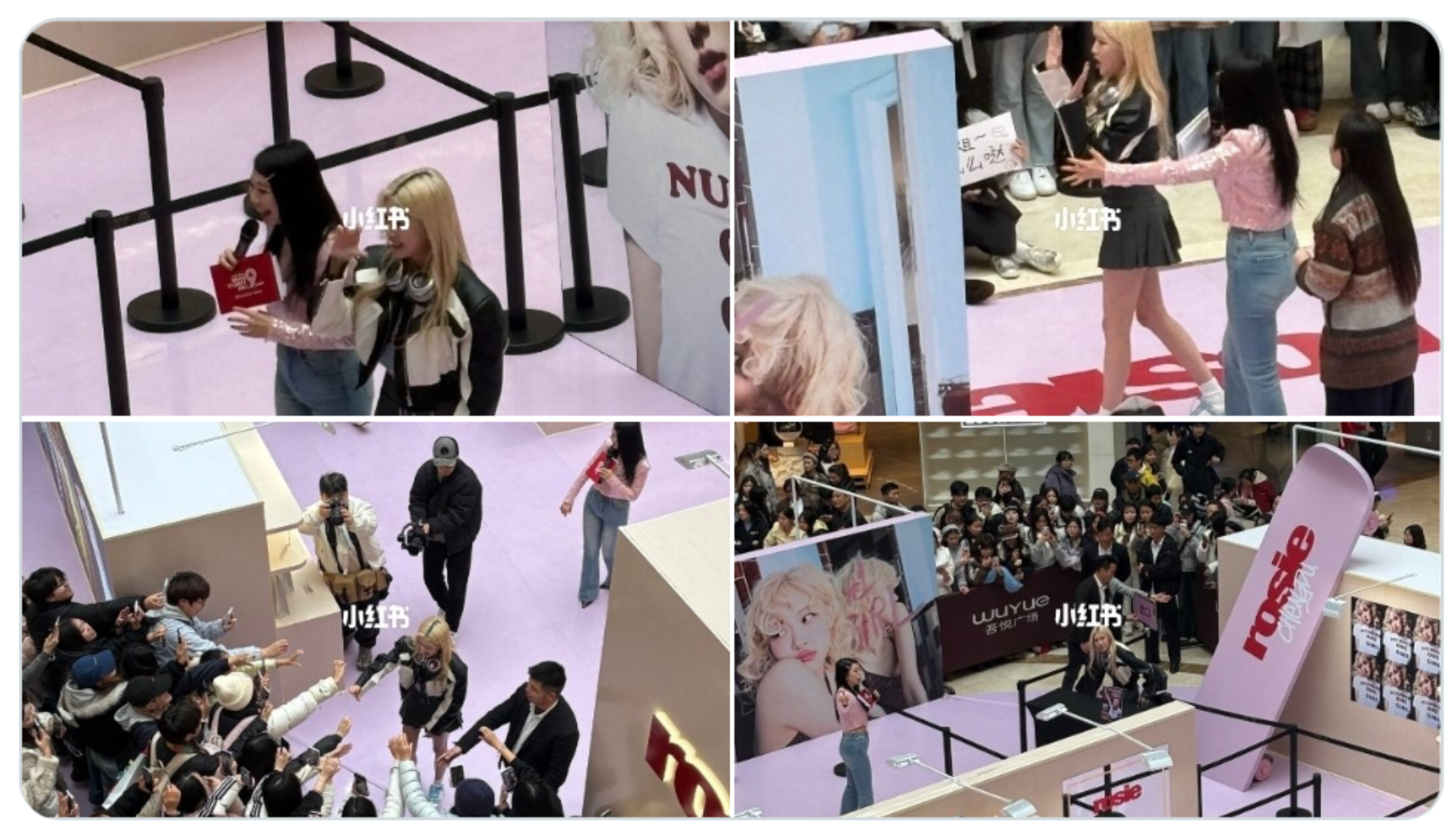
Why Fans Are Upset
The backlash isn’t about Daisy as a person; it’s about context and consent.
Rosé’s pop-up represents years of work, branding, and fan dedication. For fans, it’s a rare, intimate environment meant to honor her artistry. Introducing another figure’s fansign into that space can feel like a dilution of that purpose, or worse, an exploitation of Rosé’s name and draw to benefit someone else.
Many fans online described the situation as:
- Disrespectful to Rosé’s brand
- Confusing for attendees who came specifically for Rosé
- Inappropriate without clear communication or collaboration
The lack of transparency only intensified the frustration.
The Bigger Issue: Boundaries in Fan Culture
This controversy highlights a growing issue in modern pop culture spaces: blurred boundaries between fandoms, influencers, and commercial events.
As pop-ups, brand collaborations, and influencer appearances become more common, the lines between celebration and promotion can easily be crossed. Without clear labeling and consent, fans are left feeling misled and artists risk having their carefully curated spaces turned into generic marketing platforms.
Final Thoughts
Fan spaces thrive on trust. When that trust is broken—whether intentionally or through poor planning, the backlash is inevitable. Rosé’s pop-up should have remained a space centered solely on her, her work, and her fans.