The "Jennie Effect" Is Real
A Look at the Sales Decline of Gentle Monster & Tamburins
For years, Gentle Monster and Tamburins were more than just fashion labels, they were cultural phenomena. At the center of that success stood one name: Jennie Kim.
But now, following the end of Jennie’s long-standing ambassadorship, the conversation has shifted. Industry reports suggest that both brands are experiencing a slowdown raising a critical question: Was their success driven by product innovation, or by star power?
The Numbers Tell a Different Story
Recent financial disclosures from IICOMBINED, the parent company behind both brands, reveal a noticeable shift:
- Operating profit dropped by around 24% year-over-year
- The company’s multi-year growth streak has come to an end
- Core sectors including eyewear and cosmetics showed weakened performance
Even more telling: revenue remained relatively stable while profits declined, suggesting rising costs and weakening conversion power. This isn’t just a minor fluctuation, it marks the first real slowdown after years of explosive growth.
The Power of Jennie: More Than Just a Face
To understand the decline, you have to understand Jennie’s role.
Jennie wasn’t just a brand ambassador, she was the bridge between attention and purchase.
- Her collaborations (like Jentle Home, Jentle Garden, and Jentle Salon) became viral cultural moments
- Products she wore frequently sold out almost instantly
- Her influence turned Gentle Monster into a global fashion symbol
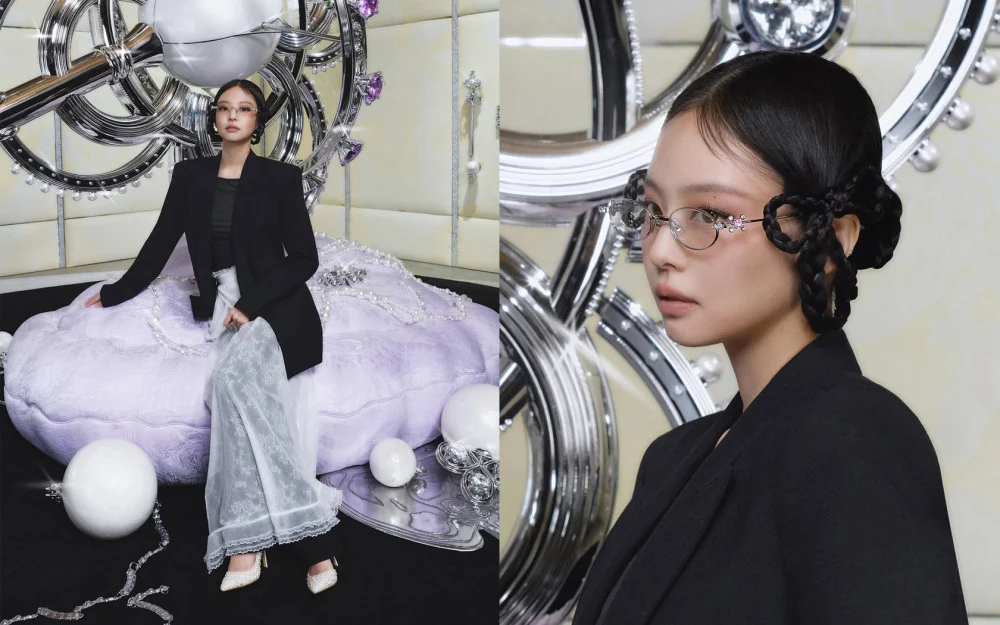
In simple terms:
People didn’t just like the products, they wanted Jennie’s version of them.
Industry insiders even note that while the brand’s stores created curiosity, it was “Jennie wearing these glasses” that converted that curiosity into actual sales
After Jennie: What Changed?
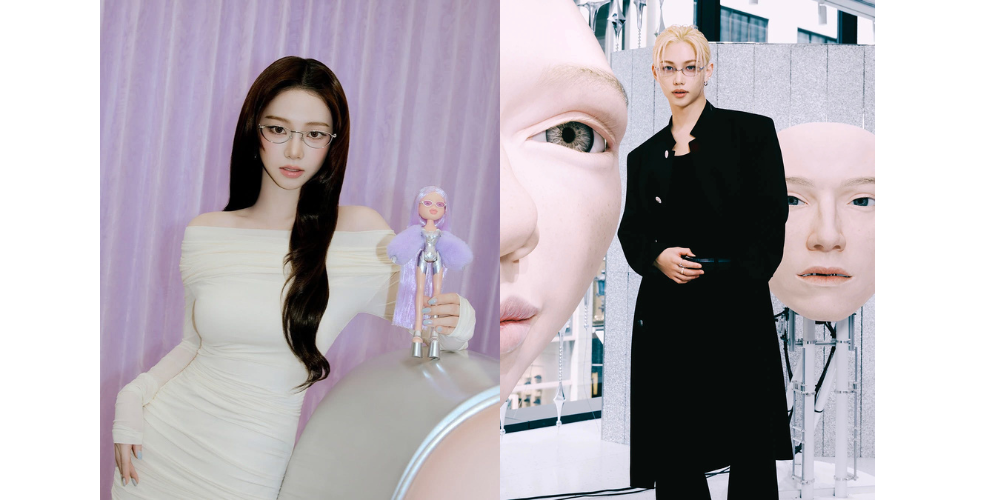
Jennie’s departure in 2025 marked the end of an era. Since then:
- New ambassadors like Felix and Karina have stepped in
- However, their commercial impact has not matched Jennie’s level of influence
- The brands are now relying more on concept stores and artistic marketing
While these strategies maintain brand identity, they may not be enough to drive the same level of purchasing urgency.
Beyond Jennie: Other Factors Behind the Decline
It would be too simplistic to blame everything on Jennie’s absence. Several broader factors are also at play:
1. Rising Competition
Other Korean and global brands are now offering similar aesthetics at more competitive prices.
2. “Hype Fatigue”
Consumers are becoming less responsive to marketing driven purely by visuals and concept.
3. High Operating Costs
Gentle Monster’s signature immersive stores and installations are expensive to maintain, cutting into profits.
4. Shifting Consumer Behavior
Luxury consumers today are more selective, prioritizing value, uniqueness, and authenticity over celebrity influence alone.
Public Reaction: “It Was Jennie’s Brand”
Online discussions reflect a clear sentiment:
“Jennie defined the brand’s identity.”
Many fans even referred to certain products as “Jennie glasses,” highlighting just how deeply her image was tied to the brand.
This kind of association is powerful but also risky. Because when the face leaves, the identity can feel incomplete.
What This Means for K-Fashion Marketing
The situation highlights a larger industry lesson:
Celebrity power can build a brand but it can also overshadow it.
For Gentle Monster and Tamburins, the challenge now is clear:
- Can they create demand without relying on one iconic figure?
- Can new ambassadors build a distinct identity, not just replace Jennie?
- Can the product itself become the main character again?
Final Thoughts
The decline of Gentle Monster and Tamburins isn’t just about numbers, it’s about identity.
Jennie didn’t just promote the brands, she was the moment, the mood, and the message.
Now that she’s gone, the brands are entering a new phase one that will test whether their success was built on lasting creativity or temporary cultural power.
One thing is certain:
The “Jennie Effect” was real.
The question now is whether anything can replace it.